Zero contrast retrograde chronic total occlusions percutaneous coronary intervention: a case series
European Heart Journal - Case Reports


Abstract
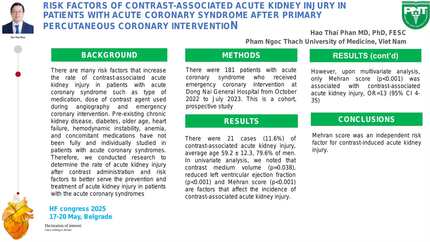
Percutaneous coronary intervention (PCI) in patients with advanced chronic kidney disease (CKD) is associated with a high risk of contrast-induced nephropathy and resulting progression of CKD to need for renal replacement therapy. Chronic total occlusions (CTO) PCI is increasingly utilized in the treatment of refractory stable angina and ischaemic heart failure. Recent studies have described the feasibility of ‘minimal’ or ‘zero’ contrast PCI by employing intravascular imaging and intra-coronary physiology to guide successful stent implantation with resolution of ischaemia. We extended these techniques to CTO lesions via the retrograde approach.
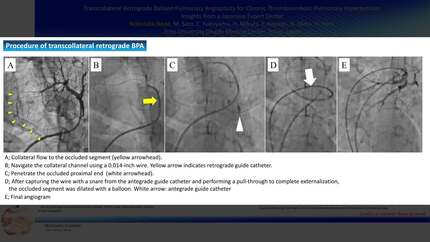
Two patients with estimated glomerular filtration rate ≤15 mL/min who presented with angina symptoms and had subsequent positive stress tests were referred for CTO-PCI. The patients had diagnostic angiography with minimal contrast. After a recovery period, the patients underwent successful retrograde zero contrast CTO-PCI with the use of adjunctive intravascular ultrasound imaging.
The described reports are the first two successful attempts at zero contrast retrograde procedures and demonstrate the feasibility of imaging and physiology-guided retrograde PCI without contrast administration in two patients with significant coronary artery disease requiring intervention. When indicated, zero contrast PCI offers the ability to treat obstructive coronary disease without worsening renal function in patients with severe CKD.
Contributors

Raja Hatem
Author
Matthew T Finn
Author
Robert F Riley
Author
Moses Mathur
Author
William L Lombardi
Author
Ziad A Ali
Author
Dimitri Karmpaliotis
Author
You may be interested in