A rare pheochromocytoma complicated by cardiogenic shock and posterior reversible encephalopathy syndrome: case report
European Heart Journal - Case Reports


Abstract
Pheochromocytoma is a rare catecholamine-producing tumour that classically displays clinical manifestations related to alpha-adrenergic stimulation, including paroxysmal or sustained hypertension. However, it may occasionally be complicated by life-threatening crisis, leading to refractory acute heart dysfunction in the most severe cases.
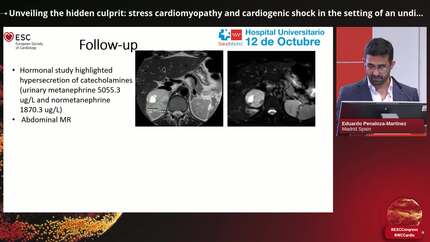
A 28-year-old woman was admitted to intensive care unit due to hypertensive crisis causing pulmonary oedema, Takotsubo cardiomyopathy, and metabolic acidosis. Due to cardiogenic shock, she required venoarterial extracorporeal membrane oxygenation and IMPELLA implantation. A computed tomography scan revealed a 5 cm tumour of the left adrenal gland compatible with pheochromocytoma The clinical course was complicated by acute kidney injury requiring renal replacement therapy and posterior reversible encephalopathy syndrome (PRES). Pharmacological treatment with alpha lityc agents (including urapidil, dexmedetomidine, and doxazosin at maximum daily dose) and beta blockers, together with left videolaparoscopic adrenalectomy, led to progressive blood pressure control and resolution of the neurological symptoms.
Pheochromocytoma crisis turned into a potential catastrophic scenario, characterized by refractory cardiogenic shock requiring circulatory supportive devices and PRES. Alpha-antagonists and beta-blockers were the gold standard pharmacological treatment. A multidisciplinary decision-algorithm was necessary to successfully manage this complex clinical setting.
Contributors

Cristina Dominedò
Author
Emilio D’Avino
Author
Alessandra Martinotti
Author
Emiliano Cingolani
Author
Matteo Cameli
Author
Milenko Zoran Cankovic
Author
Rahul Mukherjee
Author
Elhosseyn Guella
Author
You may be interested in