Clinical research methodology process: what is changing with COVID-19?
European Heart Journal Supplements


Abstract
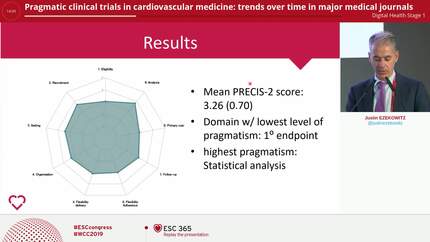
The repercussions of the pandemic in progress on clinical research have been the systematic interruption of ongoing research and the explosion of fragmented, uncoordinated, often technically insufficient anti-COVID-19 research. Networks of expert centres have emerged setting up well-structured research, adopting much more efficient and aggressive designs than traditional ones. Adaptive designs, characterized by flexibility and mouldability even in the course of studies, which is essential in an epidemic with thousands of simultaneous studies aimed at the same objectives. Some studies are structured with networks of hospitals around guidance centres, such as RECOVERY (Oxford University, UK) and SOLIDARITY (WHO, 30 countries); others with networks of expert centres mostly organized in a combined model: some expert centres test new molecules in Phase 2 in a limited number of patients, and orient promising ones towards connected networks for Phase 3. Cortisones and tentatively cytokines are acquired in the official recommendation. Another emerging model is the pragmatic trial, also called, more expressively, ‘remote’ or ‘virtual’. So it is in fact: the web replaces the direct link between patients and doctors/research operators (CROs included), behind which there will be omnipresent big-techs.
Contributors

You may be interested in