C78. Prosthetic valve thrombosis in uncontrolled internormalized ratio ended up with disaster on prosthetic valve surgary : a barrier of anticoagulant management in rural area
European Heart Journal Supplements


Abstract
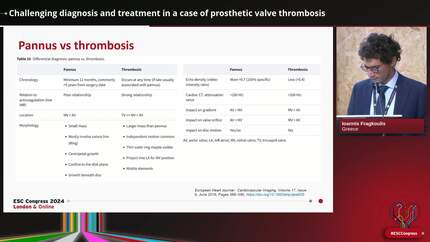
Mechanical prosthetic valve thrombosis (PVT) is a life-threatening complication that requires immediate intervention. With current prosthetic devices and aggressive prophylactic anticoagulation, the incidence of PVT remains low. It needs monitoring of international normalized ratio (INR), which is somewhat difficult to do in rural areas such as West Aceh due to geography. This report details the case of a woman with PVT who developed heart failure after a period of suboptimal anticoagulation.
We described a 51-year-old woman who had undergone coronary artery bypass graft and mitral valve replacement procedure in 2017. Her physical examination showed the decrease of the prosthetic click sound and lung congestion. From her blood examination, the INR was subtherapeutic. A thrombus was detected on the prosthetic mitral valve by transoesophageal echocardiography. She had history of uncontrolled INR because the patient do not routinely checked her blood to control the optimal dose of anticoagulant. The patient underwent reoperation for mechanical valve thrombosis but unfortunately in the end the patient died at the procedure.
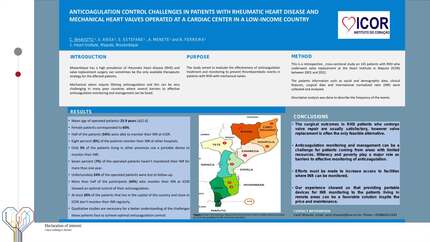
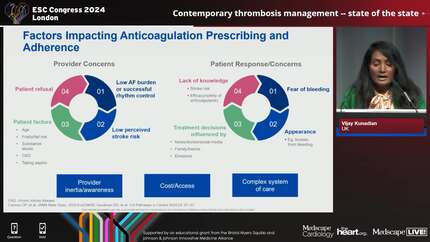
In patients undergoing mechanical heart valve replacement, time in therapeutic range of targeted INR should be ≥ 70 % otherwise it will increase in risk of thromboembolic events. However, in developing countries which have remote areas, repeated examination of the use of warfarin in obtaining the INR target is still a major challenge. Conversely, serious risks can occur if this is not achieved and might be ended up with disaster toward the patient.
Contributors

You may be interested in