C86. Secondary Prophylaxis For Rheumatic Heart Disease During The Pandemic Era: A Case Report
European Heart Journal Supplements


Abstract
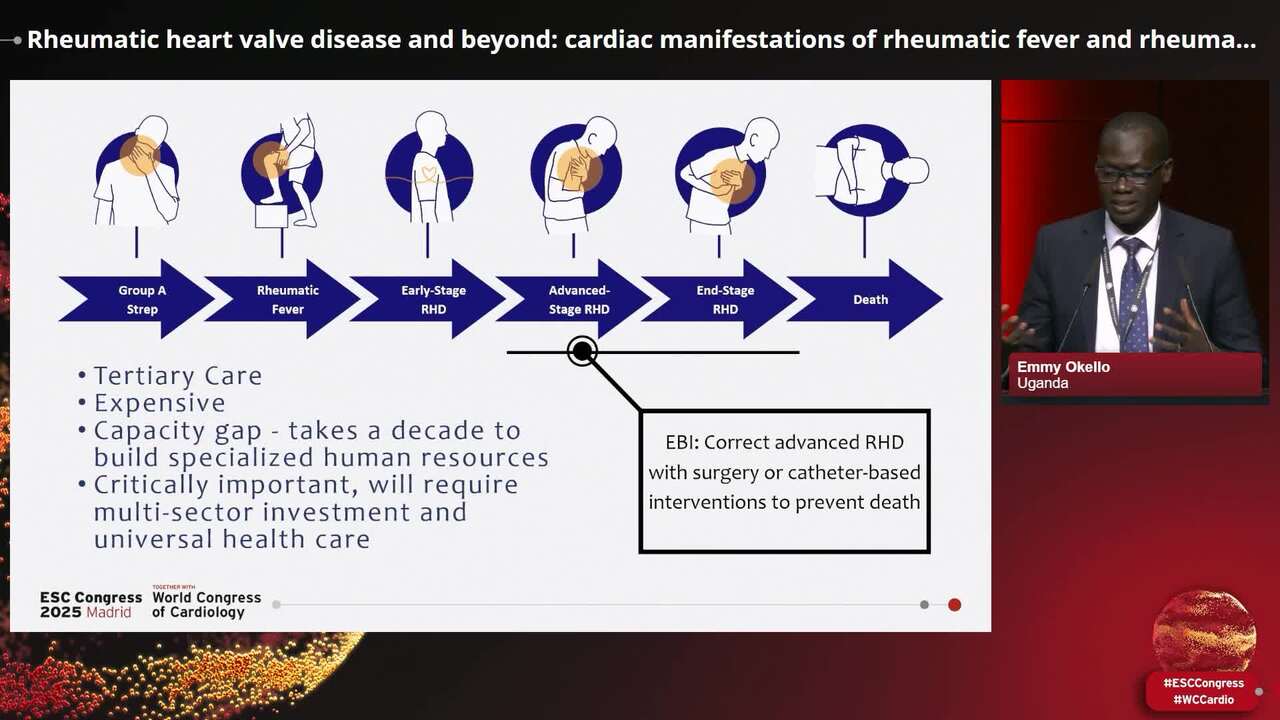
Rheumatic heart disease (RHD) is heart diseases results from recurrent episodes of acute rheumatic fever (ARF). It often occurs in developing countries and its pathogenesis is not clearly understood. RHD can be controlled with prophylaxis that requires patients to visit healthcare facility regularly. However, the current pandemic condition is a challenge for patients to receive routine treatment and evaluation.
A 17-years-old girl comes to emergency room with complaints of shortness of breath with mark limitation of physical activity 3 days prior to admission. The patient also complaint with joint pain and leg swelling. She was diagnosed Rheumatic Heart Disease and received prophylactic penicillin injections every month. However, since the pandemic, She do vice versa. In physical examination was found pansystolic murmur on aortic valve and bilateral lower extremity edema. Echocardiography showed moderate mitral regurgitation and mild aortic regurgitation. This patient was hospitalized and treated with benzathine penicillin G, prednisone, aspirin, furosemide and captopril.
Management of ARF includes eradication cause of infection, treat complications, and secondary prevention. Administration of secondary prophylaxis is useful for reduce new bacterial strains that can cause recurrent acute or chronic attacks. First line of secondary prophylaxis for ARF is intramuscular benzathine penicillin G that given per month. In this current pandemic conditions, patients are expected to continue prophylaxis therapy and follow up the disease with using pandemic health protocols.
Contributors

G F Ramadhan
Author
E Supriadi
Author
You may be interested in