Impact of comorbidities by age on symptom presentation for suspected acute coronary syndromes in the emergency department
European Journal of Cardiovascular Nursing


Abstract
It is estimated half of acute coronary syndrome (ACS) patients have one or more associated comorbid conditions.
Aims were to: 1) examine the prevalence of comorbid conditions in patients presenting to the emergency department with symptoms suggestive of ACS; 2) determine if comorbid conditions influence ACS symptoms; and 3) determine if comorbid conditions predict the likelihood of receiving an ACS diagnosis.
A total of 1064 patients admitted to five emergency departments were enrolled in this prospective study. Symptoms were measured on presentation to the emergency department. The Charlson Comorbidity Index (CCI) was used to evaluate group differences in comorbidity burden across demographic traits, risk factors, clinical presentation, and diagnosis.
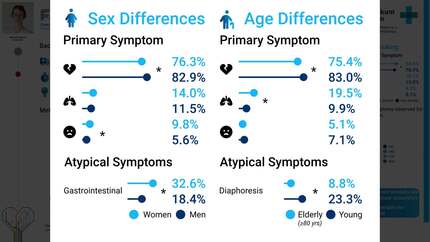
The most prominent comorbid conditions were prior myocardial infarction, diabetes without target organ damage, and chronic lung disease. In younger ACS patients, higher CCI predicted less chest pain, chest discomfort, unusual fatigue and a lower number of symptoms. In older ACS patients, higher CCI predicted more chest discomfort, upper back pain, abrupt symptom onset, and greater symptom distress. For younger non-ACS patients, higher CCI predicted less chest pain and symptom distress. Higher CCI was associated with a greater likelihood of receiving an ACS diagnosis for younger but not older patients with suspected ACS.
Younger patients with ACS and higher number of comorbidities report less chest pain, putting them at higher risk for delayed diagnosis and treatment since chest pain is a hallmark symptom for ACS.
Contributors

Larisa A Burke
Author
Anne G Rosenfeld
Author
Mohamud R Daya
Author
Karen M Vuckovic
Author
Jessica K Zegre-Hemsey
Author
Maria Felix Diaz
Author
Josemare Tosta Daiube Santos
Author
Sahereh Mirzaei
Author
Holli A DeVon
Author
You may be interested in