Treating arrhythmias with adjunctive magnesium: identifying future research directions
European Heart Journal - Cardiovascular Pharmacotherapy


Abstract
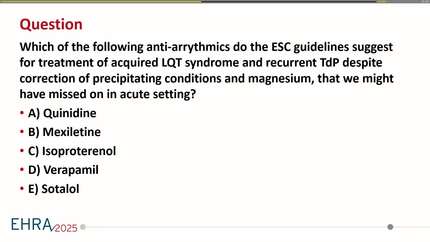
Magnesium is the fourth most abundant cation in the human body and is the second most prevalent cation in intracellular tissues. Myocardial cell action potentials are mediated by voltage-dependent Na+, K+, and Ca2+ channels which, when their function is altered, can lead to the genesis of cardiac dysrythmias. Magnesium regulates the movement of ions through these channels within myocardial tissues. The potential ability of magnesium supplementation to prevent and/or treat arrhythmias has been recognized in clinical medicine for years. This includes termination of torsade de pointes, prevention of post-operative atrial fibrillation, acute treatment of atrial fibrillation, and improving the efficacy and safety of antiarrhythmic drugs. Despite what is currently known about magnesium’s therapeutic potential, a number of limitations and gaps to the literature exist. This includes an unclear link between correction of intracellular magnesium concentrations and both mechanistic and clinical outcomes, small sample sizes, varying routes of administration and doses, as well as short follow-up periods. This review highlights these gaps and recommends areas of need for future research.
Contributors

You may be interested in