Gender differences in the effects of cardiovascular drugs
European Heart Journal - Cardiovascular Pharmacotherapy


Abstract
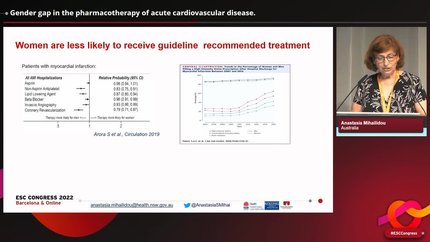
Although sex-specific differences in cardiovascular medicine are well known, the exact influences of sex on the effect of cardiovascular drugs remain unclear. Women and men differ in body composition and physiology (hormonal influences during the menstrual cycle, menopause, and pregnancy) and they present differences in drug pharmacokinetics (absorption, distribution, metabolism, and excretion) and pharmacodynamics, so that is not rare that they may respond differently to cardiovascular drugs. Furthermore, women are also less often treated with evidence-based drugs thereby preventing optimization of therapeutics for women of all ages, experience more relevant adverse drug reactions than men, and remain underrepresented in most clinical trials. Thus, current guidelines for prevention, diagnosis, and medical treatment for cardiovascular diseases are based on trials conducted predominantly in middle-aged men. A better understanding of these sex-related differences is fundamental to improve the safety and efficacy of cardiovascular drugs and for developing proper individualized cardiovascular therapeutic strategies both in men and women. This review briefly summarizes gender differences in the pharmacokinetics and pharmacodynamics of cardiovascular drugs and provides recommendations to close the gaps in our understanding of sex-specific differences in drug efficacy and safety.
Contributors


G Rosano
Author
T Walther
Author
J Duarte
Author
A Niessner
Author
JC Kaski
Author
C Ceconi
Author
H Drexel
Author
K Kjeldsen
Author
G Savarese
Author
C Torp-Pedersen
Author
D Atar
Author
BS Lewis
Author
S Agewall
Author
You may be interested in