Midodrine for the prevention of vasovagal syncope: a systematic review and meta-analysis
EP Europace Journal


Abstract
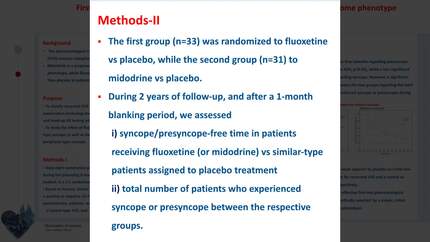
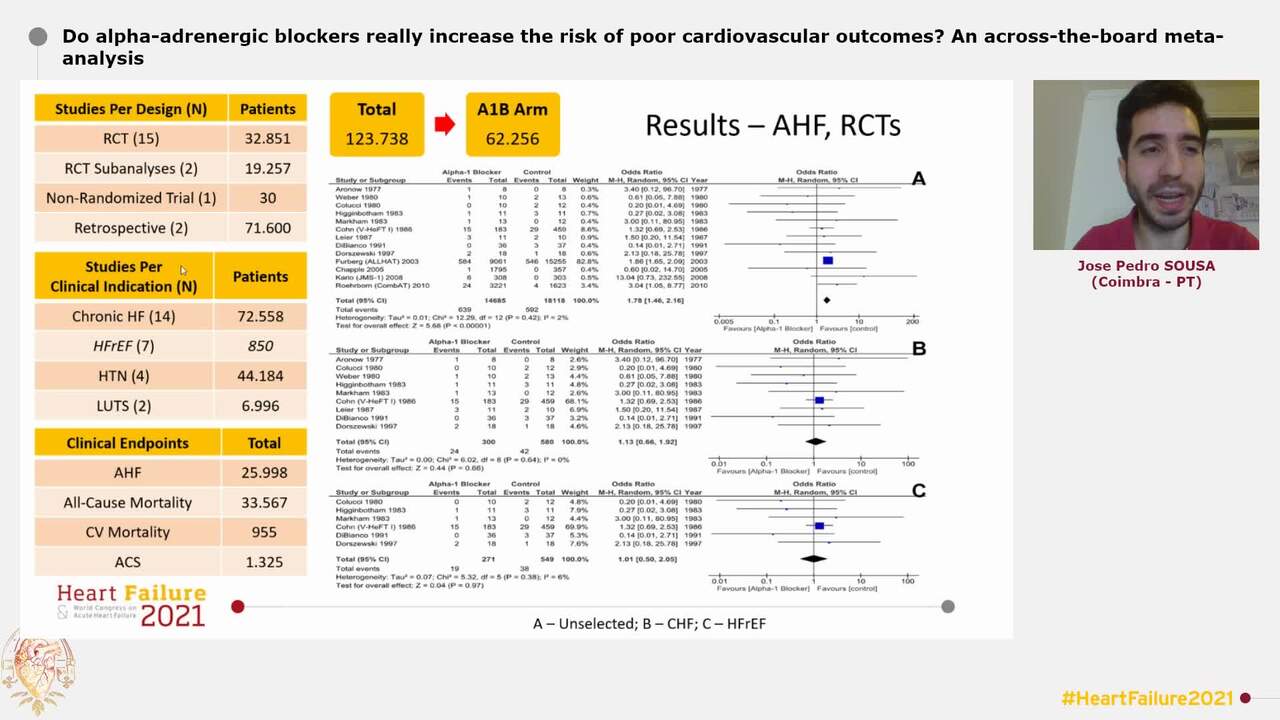
Vasovagal syncope (VVS) is a common clinical condition that lacks effective medical therapies despite being associated with significant morbidity. Current guidelines suggest that midodrine, a prodrug for an α1-adrenergic receptor agonist, might suppress VVS but supporting studies have utilized heterogeneous methods and yielded inconsistent results. To evaluate the efficacy of midodrine to prevent syncope in patients with recurrent VVS by conducting a systematic review and meta-analysis of published studies.
Relevant randomized controlled trials were identified from the MEDLINE, Embase, CENTRAL, and CINAHL databases without language restriction from inception to June 2021. All studies were conducted in clinical syncope populations and compared the benefit of midodrine vs. placebo or non-pharmacological standard care. Weighted relative risks (RRs) were estimated using random effects meta-analysis techniques. Seven studies (
Midodrine is effective in preventing syncope induced by HUT testing and less, but still significant, RR reduction in randomized, double-blinded clinical trials.
Contributors

You may be interested in