Caffeine delays autonomic recovery following acute exercise
European Journal of Preventive Cardiology


Abstract
Impaired autonomic recovery of heart rate (HR) following exercise is associated with an increased risk of sudden death. Caffeine, a potent stimulator of catecholamine release, has been shown to augment blood pressure (BP) and sympathetic nerve activity; however, whether caffeine alters autonomic function after a bout of exercise bout remains unclear.
In a randomized, crossover study, 18 healthy individuals (26 ± 1 years; 23.9 ± 0.8 kg·m−2) ingested caffeine (400 mg) or placebo pills, followed by a maximal treadmill test to exhaustion. Autonomic function and ventricular depolarization/repolarization were determined using heart rate variability (HRV) and corrected QT interval (QTc), respectively, at baseline, 5, 15, and 30 minutes post-exercise.
Maximal HR (HRmax) was greater with caffeine (192 ± 2 vs. 190 ± 2 beat·min−1,
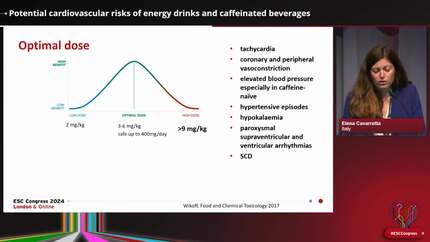
Caffeine ingestion disrupts post-exercise autonomic recovery because of increased sympathetic nerve activity. The prolonged sympathetic recovery time could subsequently hinder baroreflex function during recovery and disrupt the stability of autonomic function, potentiating a pro-arrhythmogenic state in young adults.
Contributors

You may be interested in