Lung fluid levels estimated by remote dielectric sensingTM values and invasive hemodynamic measurements
European Heart Journal


Abstract
Remote dielectric sensing (ReDSTM) is a recently introduced non-invasive electromagnetic-based technology to quantify lung fluid levels (Figure 1A). The association between ReDS values and invasively measured hemodynamics, particularly among those with small body size, remains uncertain.
Consecutive patients with chronic heart failure who were admitted to our institute and underwent right heart catheterization as well as simultaneous ReDS measurement at clinically stable conditions between Sep and Nov 2021 were prospectively included. The correlation between ReDS values and PCWP was investigated.
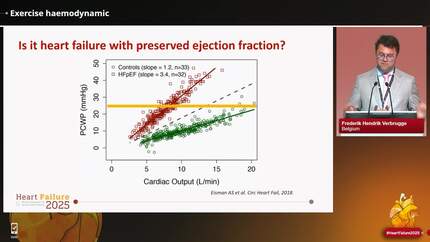
A total of 30 patients (median 79 [73, 84] years old, 13 men) were included. Median ReDS value was 26% (22%, 28%). ReDS values had a moderate correlation with PCWP (r=0.698, p<0.001; Figure 1B), even among those with a height <155 cm. ReDS values with a cutoff 28% predicted a PCWP >15 mmHg with sensitivity 0.70 and specificity 0.75.
A non-invasive electromagnetic-based technology ReDS might be a promising tool to estimate cardiac pressure in patients with heart failure, even among those with smaller body size.
Type of funding sources: None.
Figure 1
Contributors

You may be interested in