Impact of diabetes and glucose-lowering therapy on post-operative atrial fibrillation after cardiac surgery: secondary analysis of the SEARCH-AF CardioLink-1 randomized clinical trial
European Heart Journal


Abstract
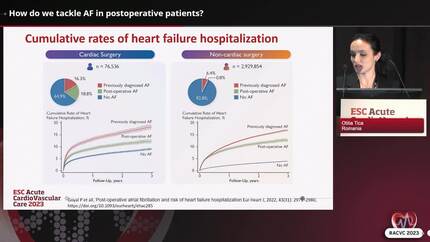
Diabetes mellitus is an important risk factor for atrial fibrillation (AF) and is associated with an increased risk of complications for patients with AF. The impact of diabetes on post-operative AF after cardiac surgery is not well-defined.
We sought to characterize the effect of diabetes, insulin, and oral hypoglycemic agents on the incidence of post-operative atrial fibrillation (POAF) after cardiac surgery. Accordingly, we conducted a secondary analysis of the Post-Surgical Enhanced Monitoring for Cardiac Arrhythmias and Atrial Fibrillation (SEARCH-AF) CardioLink-1 randomized trial.
In the SEARCH-AF trial, 336 patients with risk factors for stroke (CHA2DS2-VASc score ≥2) and no history of preoperative AF were randomized to usual care or continuous cardiac rhythm monitoring for 30 days after discharge from cardiac surgery with a wearable, patched-based device. The primary outcome was occurrence of cumulative atrial fibrillation/flutter (AF/AFL) lasting for ≥6 minutes detected by continuous monitoring or AF/AFL documented by a 12-lead electrocardiogram within 30 days of randomization. We assessed the association between diabetes and occurrence of post-operative AF. In addition, we examined the association between POAF and glucose-lowering therapy among patients with diabetes.
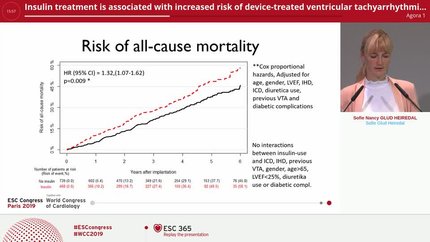
Among the 176 (52%) patients with diabetes in the study cohort, 80 (45%) patients were treated with at least 1 oral hypoglycemic agent and 44 (25%) patients were treated with insulin. The incidence of POAF occurring within 30 days after discharge from surgery was similar between patients with or without diabetes (cumulative incidence: 10.8% vs. 10.0%, log-rank p=0.77). Among patients with diabetes, the incidence of POAF was highest in those who were not treated with glucose-lowering therapy (17.3%) when compared with those treated with oral hypoglycemic agents (10.0%) or insulin (4.5%) (log-rank ptrend=0.045 among the 3 groups). In an exploratory analysis, we observed a trend suggesting a lower incidence of POAF among cardiac surgical patients who were treated with SGLT-2 inhibitors (log-rank ptrend=0.084).
The incidence of POAF occurring after discharge from cardiac surgery is equally high among patients with or without diabetes. Our results suggest a potential association between specific glucose-lowering therapies and risk of POAF after cardiac surgery, meriting further investigations.
Type of funding sources: Other. Main funding source(s): Heart and Stroke Foundation of Canada
Figure 1

You may be interested in