Completing the genetic spectrum influencing coronary artery disease: from germline to somatic variation

Cardiovascular Research

21 February 2019
Organised by: Logo
ESC Journals

Abstract

Abstract

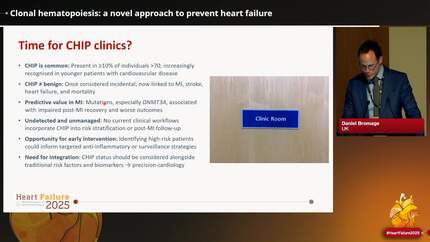
Genetic and environmental factors influence the development of coronary artery disease (CAD). Genetic analyses of families and the population continue to yield important fundamental insights for CAD. For the past four decades, CAD human genetic research focused largely on the study of germline genetic variation in CAD and its risk factors. The first genes associated with CAD were discovered using basic Mendelian principles and pedigree analysis. Mapping of the human genome and advancement in sequencing technology sparked further discovery of novel genetic associations through exome sequencing and genome wide association analysis in increasingly larger populations. While prior work implicated in situ DNA damage as a feature of atherosclerosis, more recently, somatic mutagenesis in and clonal expansion of haematopoietic stem cells was found to influence risk of CAD. Mutations observed for this condition, termed clonal haematopoiesis of indeterminate potential, frequently occur within epigenetic regulator genes (e.g. DNMT3A, TET2, ASXL1, etc.), which are also implicated in leukaemogenesis. Hypercholesterolaemic mice with Tet2 bone marrow deficiency are predisposed to the development of atherosclerosis that may be partly related to inflammatory cytokines. As the genetic basis of CAD expands from the germline to somatic genome, our fundamental understanding of CAD continues to evolve; these new discoveries represent new opportunities for risk prediction and prevention, and a new facet of cardio-oncology.

Contributors

Pradeep Natarajan
Pradeep Natarajan

Author

Massachusetts General Hospital Boston , United States of America