Human coronary microvascular contractile dysfunction associates with viable synthetic smooth muscle cells
Cardiovascular Research


Abstract
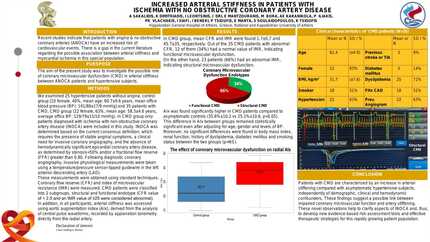
Coronary microvascular smooth muscle cells (SMCs) respond to luminal pressure by developing myogenic tone (MT), a process integral to the regulation of microvascular perfusion. The cellular mechanisms underlying poor myogenic reactivity in patients with heart valve disease are unknown and form the focus of this study.
Intramyocardial coronary micro-arteries (IMCAs) isolated from human and pig right atrial (RA) appendage and left ventricular (LV) biopsies were studied using pressure myography combined with confocal microscopy. All RA- and LV-IMCAs from organ donors and pigs developed
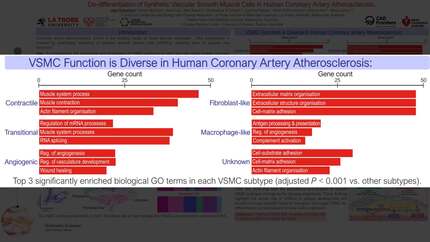
These data demonstrate the first use of atrial and ventricular biopsies from patients and pigs to reveal that impaired coronary MT reflects a switch of viable SMCs towards a synthetic phenotype, rather than a loss of SMC viability. These arteries represent a model for further studies of coronary microvascular contractile dysfunction.
Contributors

Tobias Starborg
Author
Errin Johnson
Author
Anna Pielach
Author
Michael Taggart
Author

Nicola Smart
Author
University of Oxford Oxford , United Kingdom of Great Britain & Northern Ireland
Lyudmyla Borysova
Author
Xi Ye
Author
Chloe Powell
Author
Timea Z Beleznai
Author
Christopher P Stanley
Author
Vito D Bruno
Author
You may be interested in