Phenomapping in heart failure with preserved ejection fraction: insights, limitations, and future directions
Cardiovascular Research


Abstract
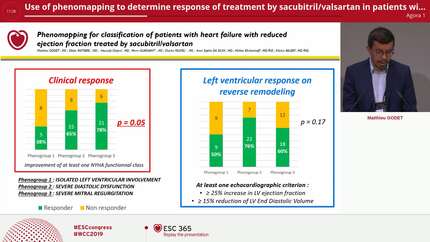
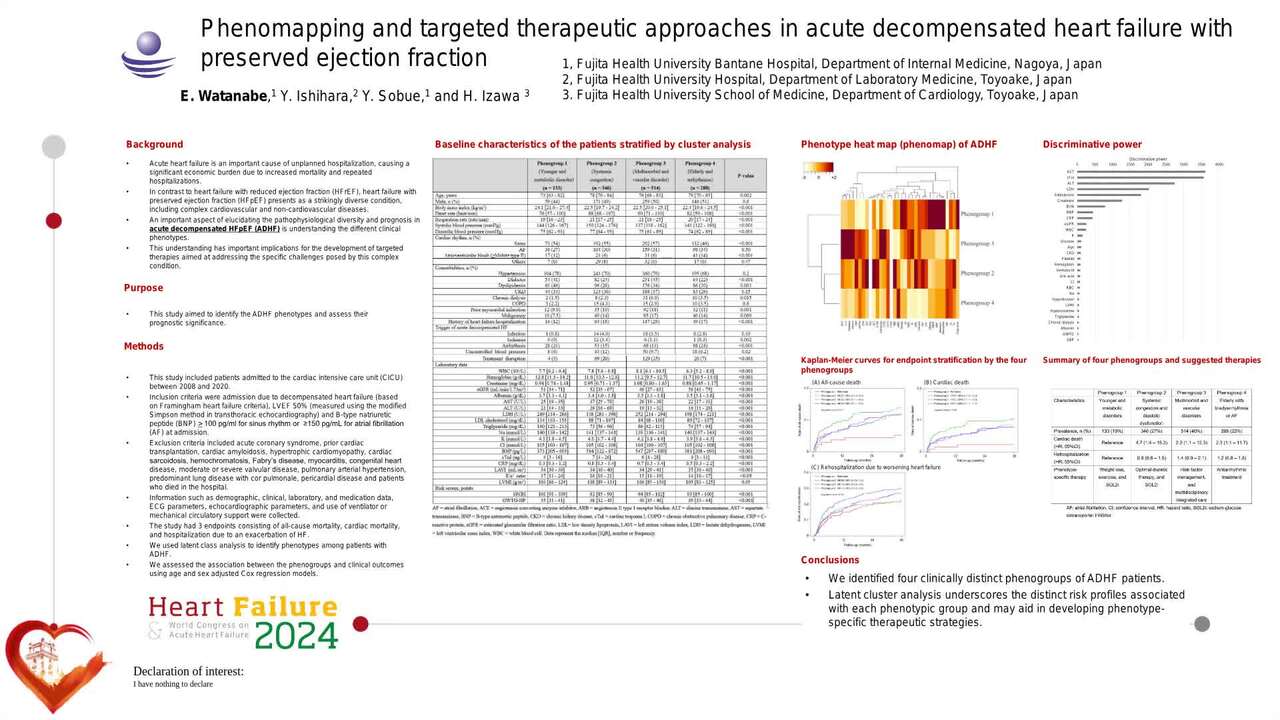
Heart failure with preserved ejection fraction (HFpEF) is a heterogeneous entity with complex pathophysiology and manifestations. Phenomapping is the process of applying statistical learning techniques to patient data to identify distinct subgroups based on patterns in the data. Phenomapping has emerged as a technique with potential to improve the understanding of different HFpEF phenotypes. Phenomapping efforts have been increasing in HFpEF over the past several years using a variety of data sources, clinical variables, and statistical techniques. This review summarizes methodologies and key takeaways from these studies, including consistent discriminating factors and conserved HFpEF phenotypes. We argue that phenomapping results to date have had limited implications for clinical care and clinical trials, given that the phenotypes, as currently described, are not reliably identified in each study population and may have significant overlap. We review the inherent limitations of aggregating and utilizing phenomapping results. Lastly, we discuss potential future directions, including using phenomapping to optimize the likelihood of clinical trial success or to drive discovery in mechanisms of the disease process of HFpEF.
Contributors

Jasper Tromp
Author
Sanjiv J Shah
Author
Carolyn S P Lam
Author
Gregory D Lewis
Author
Barry A Borlaug
Author
Kavita Sharma
Author
Ambarish Pandey
Author
Nancy K Sweitzer
Author
Dalane W Kitzman
Author
Robert J Mentz
Author
You may be interested in