Maturation of hiPSC-derived cardiomyocytes promotes adult alternative splicing of SCN5A and reveals changes in sodium current associated with cardiac arrhythmia
Cardiovascular Research


Abstract
Human-induced pluripotent stem cell-cardiomyocytes (hiPSC-CMs) are widely used to study arrhythmia-associated mutations in ion channels. Among these, the cardiac sodium channel
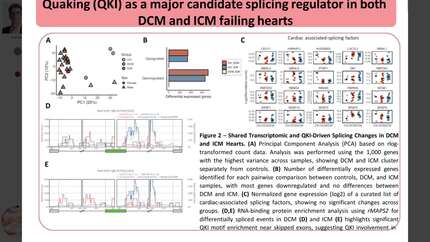
We derived patient hiPSC-CMs carrying compound mutations in the adult
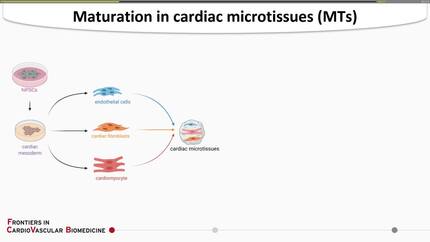
Our study shows that (i) the tri-cellular cardiac microtissues promote post-natal
The cardiac sodium channel is essential for conducting the electrical impulse in the heart. Postnatal alternative splicing regulation causes mutual exclusive inclusion of fetal or adult exons of the corresponding gene, SCN5A. Typically, immature hiPSCCMs fall short in studying the effect of mutations located in the adult exon. We describe here that an innovative tri-cellular three-dimensional cardiac microtissue culture promotes hiPSC-CMs maturation through upregulation of MBNL1, thus revealing the effect of a pathogenic genetic variant located in the SCN5A adult exon. These results help advancing the use of hiPSC-CMs in studying adult heart disease and for developing personalized medicine applications.
Contributors

Loukia Yiangou
Author
Daniele Ottaviani
Author
Christiaan Cornelis Veerman
Author
Hailiang Mei
Author
Valeria Viktorovna Orlova
Author

Arthur Arnold Maria Wilde
Author
Amsterdam University Medical Centre (AUMC) Amsterdam , Netherlands (The)

Connie Rose Bezzina
Author
Georgios Kosmidis
Author
Arie Otto Verkerk
Author
Dorien Ward-van Oostwaard
Author
Richard Paul Davis
Author
Christine Lindsay Mummery
Author

You may be interested in