Obesity and atrial fibrillation: integrating lifestyle, pharmacotherapy, and ablation
EP Europace Journal


Abstract
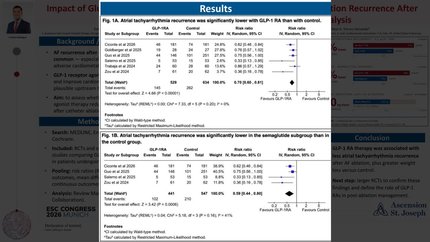
Obesity is an established risk factor for atrial fibrillation (AF), and guidelines recommend ≥10% weight reduction in patients who are overweight or obese. However, recent randomized clinical trials of dietary weight loss interventions have failed to show significant benefit, with most participants not achieving the guideline target despite intensive, structured programmes. In contrast, emerging evidence suggests that glucagon-like peptide-1 receptor agonists reduce arrhythmia recurrence when combined with catheter ablation, although questions remain regarding treatment duration, cost, lean mass preservation, and mechanism of benefit. Randomized trials also support multidisciplinary lifestyle risk factor management (LRFM) clinics that holistically address cardiometabolic health, reducing arrhythmia recurrence and healthcare utilization and improving quality of life, yet real-world delivery remains limited. New-onset AF should be recognized as a marker of cardiometabolic health and prompt structured assessment before and after ablation. Comprehensive LRFM, pharmacological weight management, and catheter ablation should be viewed not as competing therapies but as complementary components of integrated AF care.
Contributors

You may be interested in