Myocardial work and cardiac remodeling after ST-segment elevation myocardial infarction: associations with left atrial and left ventricular strain
European Heart Journal Supplements


Abstract
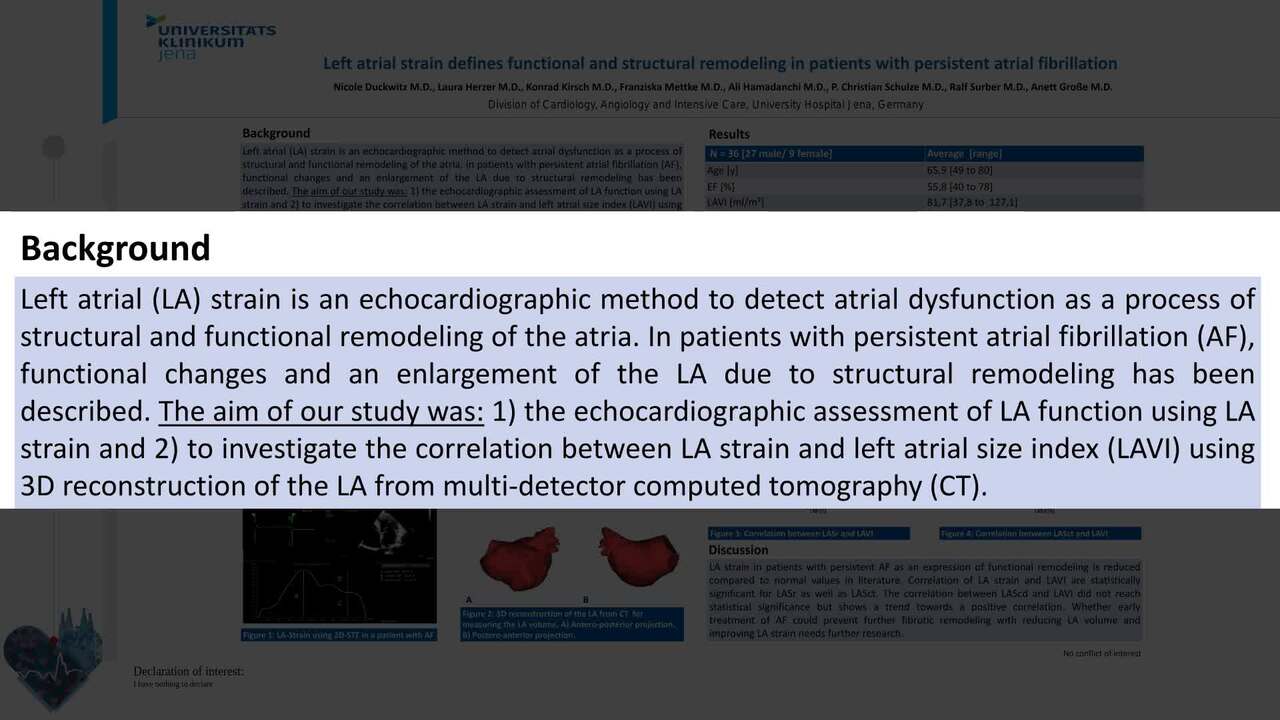
Left ventricular (LV) ejection fraction (EF) is the standard marker for systolic function but fails to detect subtle changes in myocardial contractility in patients post- ST-elevation myocardial infarction (STEMI). Thus, there is a need to evaluate LV function with high precision to assess the disease progress and guide therapeutic interventions.
This study aims to evaluate the prognostic significance of left atrial strain, left ventricular strain, and myocardial work in patients who have undergone primary percutaneous coronary intervention (PCI) post-STEMI.
This study was conducted on 100 patients diagnosed with STEMI, all of whom were treated with primary PCI (pPCI) for their first STEMI event. Patients were admitted to 2 different centres, cardiology department, Fayoum University, Fayoum, Egypt, and King Fahd Hospital of the University, Saudi Arabia, between November 2022 and March 2024. Conventional echocardiography and two-dimensional speckle-tracking echocardiography (2D-STE) were performed on each participant within 24 h following pPCI and then repeated at least 6 months later. Myocardial work parameters, including global work index (GWI), global constructive work (GCW), global wasted work (GWW), and global work efficiency (GWE), as well as left atrial strain parameters, were derived from 2D-STE and analyzed for their association with subsequent left ventricular remodelling.
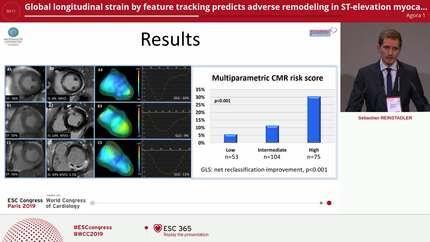
Myocardial work parameters (e.g. global longitudinal strain) were associated with left ventricular (LV) remodelling following STEMI treated with primary PCI, with global constructive work (GCW) demonstrating the most significant association with LV remodelling among the myocardial work indices evaluated. Furthermore, LV remodelling was associated with significantly impaired cardiac structure and function. Patients who developed LV remodelling exhibited higher LV volumes, lower LV ejection fraction, impaired myocardial work parameters, and longer door-to-balloon times compared with those without remodelling. Additionally, left atrial function (e.g. left atrial ejection fraction) was significantly compromised in the remodelling group.
Myocardial work and strain parameters were associated with LV remodelling following STEMI treated with primary PCI. GCW demonstrated the strongest association with LV remodelling in the present cohort.
Contributors

You may be interested in