A splice-altering synonymous LMNA variant in left ventricular non-compaction associated with progressive conduction disease, ventricular ectopy, and systolic decline over 13 years—a case report
European Heart Journal - Case Reports


Abstract
Lamin A/C (
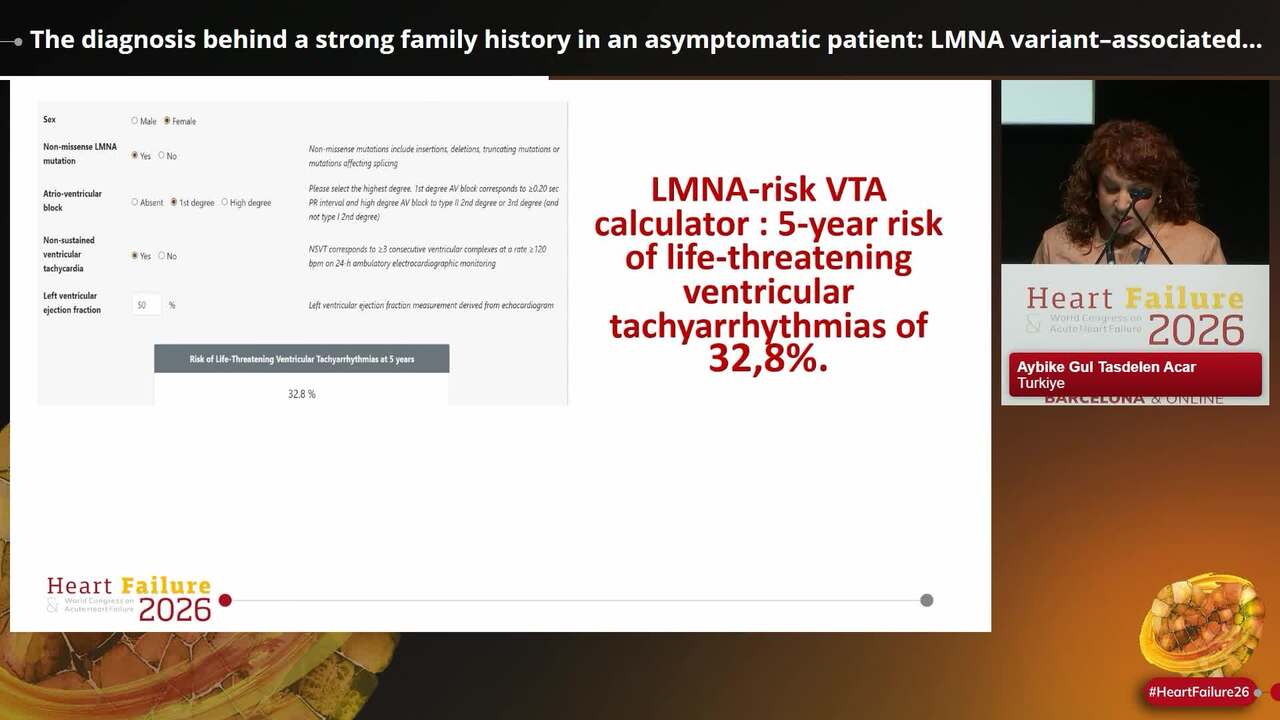
Thirteen years ago, a 41-year-old woman presented with recurrent atrial fibrillation (AF) and underwent successful catheter ablation. Initial electrocardiogram (ECG) showed first-degree atrioventricular block (PR interval 350–380 ms) with frequent premature ventricular complexes; echocardiography demonstrated normal chamber size and left ventricular ejection fraction (LVEF) 55%. During follow-up, cardiac magnetic resonance imaging confirmed LVNC (Petersen NC/C > 2.3). Genetic testing identified LMNA c.1146C > T (p.Gly382=), a splice-altering synonymous variant that activates a cryptic donor at the 3′ end of exon 6, deleting 13 nucleotides and causing a frameshift with a premature stop, consistent with loss-of-function. An implantable cardioverter-defibrillator was implanted for primary prevention based on the LMNA-risk ventricular tachyarrhythmia calculation. The subsequent course included progressive conduction disease (PR interval to 550 ms with intermittent second-degree block), high ventricular ectopy with non-sustained ventricular tachycardia (VT), and LVEF decline to 30–35%. Later, AF and atypical atrial tachycardia recurred and were managed with device reprogramming and medical therapy. Due to a widened QRS (≈140 ms) and high right ventricular pacing burden, the system was upgraded to cardiac resynchronization therapy with defibrillator (CRT-D). Ongoing management focuses on rhythm control and guideline-directed heart-failure therapy.
This case illustrates arrhythmia-led cardiolaminopathy with LVNC morphology and systolic decline associated with a splice-altering synonymous LMNA variant. Gene-specific risk features (variant type, atrioventricular block, non-sustained VT) supported early device therapy beyond EF-only thresholds. Integration of genotype, imaging, and arrhythmic/conduction findings enabled timely, gene-informed care over long-term follow-up.
Contributors

Alexander Schreiner
Author
Cosima Jahnke
Author
Anne Theunert Nitsche
Author
Kerstin Bode
Author
Deniz Akdis
Author
Mohammad Montaser Atasi
Author
Deepti Ranganathan
Author
You may be interested in