Abstract
Pulsed field ablation (PFA) has emerged as a transformative approach for treating cardiac arrhythmias by exploiting irreversible electroporation to preferentially injure myocardium while limiting collateral damage. Translating this biophysical principle into safe and effective clinical systems requires careful integration of waveform design, catheter engineering, computational and experimental modelling, safety testing, and procedural workflow.
This review summarizes the fundamental physical and engineering principles that govern cardiac PFA and examines how these principles influence efficacy, safety, lesion formation, and clinical usability.
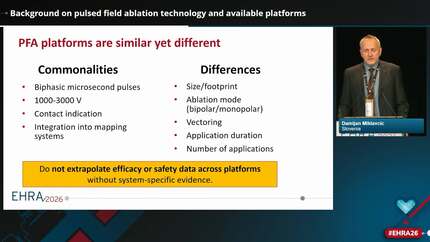
Electroporation is governed primarily by the local electric field and waveform-dependent lethal thresholds rather than generator voltage alone. Key waveform variables include monophasic vs. biphasic pulses, microsecond vs. nanosecond pulse widths, duty cycle, and total application duration. Catheter design further determines electric field distribution, lesion geometry, current density, and applicability across anatomic targets, with important distinctions between bipolar and monopolar configurations.
Experimental and computational approaches used to investigate PFA include finite element simulations, cell culture systems, vegetal substrates, and
Clinical adoption depends not only on biological efficacy and safety but also on workflow efficiency, catheter versatility, procedure duration, mapping integration, anaesthesia requirements, and adaptability to differing clinical practices and geographic settings.
The performance of a PFA system reflects the interaction of biophysics, waveform characteristics, catheter design, modelling, safety controls, and procedural usability. Understanding these interconnected principles is essential for developing PFA technologies that are effective, safe, predictable, and practical for contemporary electrophysiology laboratories.
Contributors



You may be interested in