Body composition changes in patients on GLP-1 receptor agonists undergoing an intensive cardiac rehabilitation program
European Journal of Preventive Cardiology


Abstract
Glucagon-like peptide-1 receptor agonists (GLP-1 RAs) are widely used for type 2 diabetes and obesity and produce significant weight loss. However, concerns have emerged about potential loss of skeletal muscle mass (SMM) with pharmacologic weight reduction, particularly in older adults at risk for sarcopaenia. The effects of GLP-1 RA therapy on SMM among patients participating in intensive cardiac rehabilitation (ICR) remain incompletely characterized.
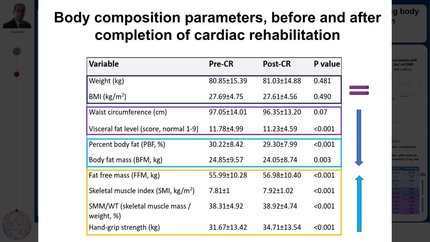
A retrospective cohort study of 468 patients enrolled in a structured Pritikin ICR programme at UC San Diego Health between 2017 and 2024 was performed. At programme initiation, 67 patients were taking GLP-1 RAs with a median duration of 231 days (IQR 144–400). Body composition was assessed using bioelectrical impedance analysis at baseline and programme completion. Outcomes included SMM and fat mass (FM). Multivariable regression models adjusted for age, sex, baseline body mass index (BMI), diabetes status, and baseline fitness (measured in metabolic equivalents of tasks [METs]). Both groups improved in METs with ICR (
GLP-1 RA use during ICR was not associated with significantly different SMM changes after adjustment for measured covariates. These findings support the integration of GLP-1 based pharmacotherapy with structured exercise programmes.
Contributors

Ian Jennings
Author
Kristine Ly
Author
Mariam Marooki
Author
Marissa Dzotsi
Author
Gavin McLaren
Author
Raphael E Cuomo
Author

Shady Abohashem
Author
Massachusetts General Hospital - Harvard Medical School Boston , United States of America

You may be interested in