Elevated Blood Bicarbonate Levels and Long-Term Adverse Outcomes in Patients with Chronic Heart Failure
ESC Heart Failure


Abstract
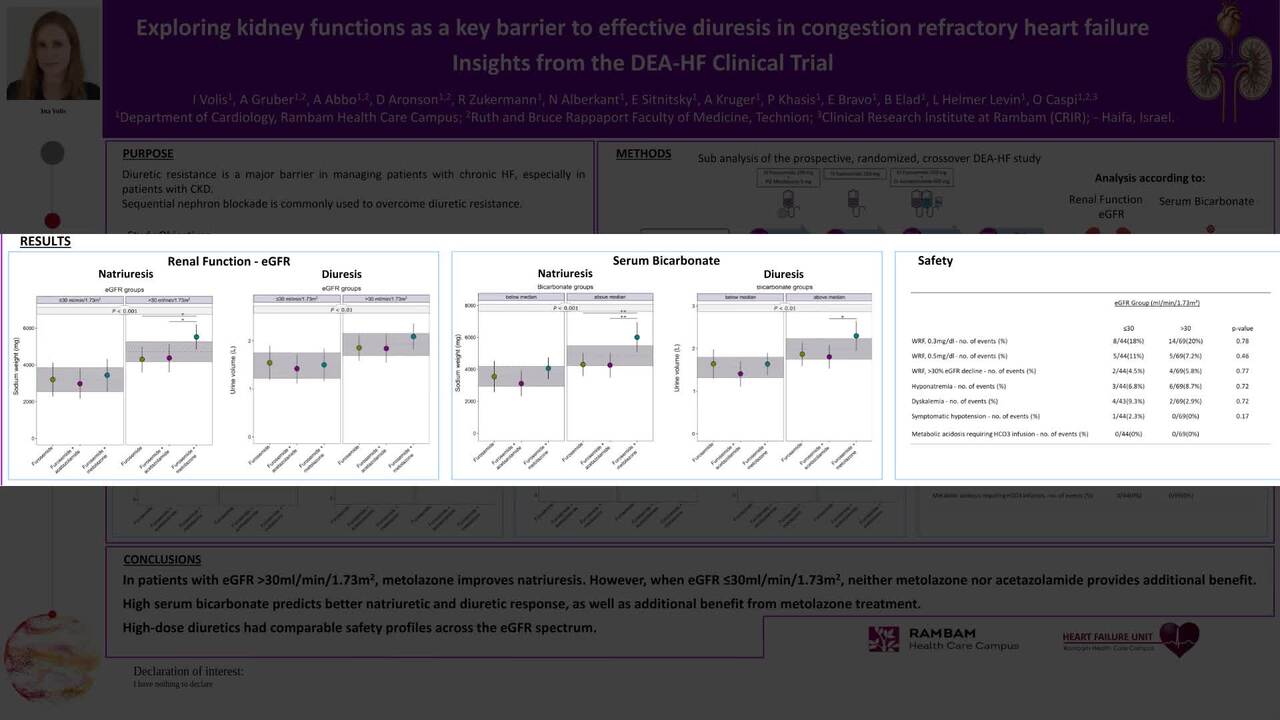
The bicarbonate (HCO3−) buffer system is crucial for maintaining acid–base homeostasis and blood pH. Recent studies showed that elevated serum HCO3− levels serve as an indicator of the beneficial effects of acetazolamide in improving decongestion in acute heart failure. In this study, we sought to clarify the clinical relevance and prognostic impact of HCO3− in chronic heart failure (CHF).
This cohort study enrolled 694 hospitalized patients with CHF (mean age 68.6 ± 14.6, 62% male) who underwent arterial blood sampling and exhibited neutral pH ranging from 7.35 to 7.45. We characterized the patients based on HCO3− levels and followed them to register cardiac events.
Among the patients, 17.3% (120 patients) had HCO3− levels exceeding 26 mmol/L. Patients presenting HCO3− > 26 mmol/L were more likely to use loop diuretics and had higher serum sodium and lower potassium levels, but left ventricular ejection fraction did not differ compared with those with HCO3− between 22 and 26 (379 patients) or those with HCO3− < 22 mmol/L (195 patients). During a median follow-up period of 1950 days, Kaplan–Meier analysis revealed that patients with HCO3− > 26 mmol/L had the lowest event-free survival rate from either cardiac deaths or heart failure-related rehospitalization (
Elevated blood HCO3− levels may signify enhanced proximal nephron activation and loop diuretic resistance, leading to long-term adverse outcomes in patients with CHF, even within a normal pH range.
Contributors

Yu Sato
Author
Yukiko Sugawara
Author
Ryo Ogawara
Author
Shohei Ichimura
Author
Yusuke Tomita
Author
Fumiya Anzai
Author
Tetsuro Yokokawa
Author
Akihiko Sato
Author
Takeshi Shimizu
Author
Takamasa Sato
Author
Masayoshi Oikawa
Author
Atsushi Kobayashi
Author
Akiomi Yoshihisa
Author
Yasuchika Takeishi
Author
You may be interested in