Secondary prevention of acute coronary syndrome by reducing depression and anxiety
European Journal of Preventive Cardiology


Abstract
Type of funding sources: None.
Cardiovascular disease is expected to reach an annual mortality rate of 23 million individuals by 2030, primarily due to acute coronary syndrome (ACS) and cerebrovascular events. Simply stating the mortality associated with cardiovascular disease underrepresents its true burden considering the associated disability, healthcare expenditure, and loss of quality of life. Specifically, there has been increasing interest in the prevalence of depression and anxiety post-ACS as depressive and anxious symptoms are seen in up to 45% and 30% of patients, respectfully. These symptoms are associated with increased morbidity and mortality as well as decreased quality of life. Thus, it is crucial that secondary prevention be prioritized in this population with a specific focus on psychological wellbeing.
The purpose of the present systematic review is to summarize the current literature on secondary prevention following ACS via interventions aimed at reducing depression and anxiety.
A systematic review was conducted of the databases PubMed, EMBASE, Web of Science, ClinicalTrials.gov, and Cochrane for studies which implemented an intervention to improve depression or anxiety in patients following ACS.
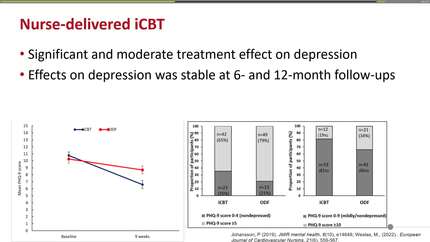
The initial literature search identified 6,536 studies, of which 97 were added for inclusion with a total of 23,965 participants. Study design comprised 83 randomized control trials, two quasi-experimental studies, and 12 non-randomized experimental studies. The majority of interventions which significantly reduced symptoms of post-ACS anxiety involved modified cardiac rehabilitation programs (20%), aromatherapy (13%), and initiation of a new therapeutic (11%). Conversely, the majority of post-ACS interventions which significantly improved depressive symptoms involved therapy (24%), modified cardiac rehabilitation (24%), and initiation of a new therapeutic (20%). Notably, all aromatherapy (n=6), arts-based (n=3), exercise (n=7), meditation (n=3), and nature therapy (n=1) intervention studies extracted reported significant improvement in either depression or anxiety scores.
Depressive and anxious symptoms following ACS are associated with increased risk of death, rehospitalization, and poor quality of life. Programs which involve modified cardiac rehabilitation programs, aromatherapy, therapeutic agents, and therapy may increase secondary prevention of ACS by improving symptoms of depression and anxiety. Due to the heterogeneity of the programs identified, significant differences in sample size across studies, and the variety of depression/anxiety scales used, a large-scale randomized control trial comparing intervention efficacy is needed. Such a trial, as well as the present systematic review, may improve secondary prevention of ACS by identifying strategies to reduce depression and anxiety in this population.
PRISMA flow diagram
Participants and intervention type
Contributors


You may be interested in