Israel's first national remote cardiac rehabilitation program - patient response and potential factors affecting successful completion
European Journal of Preventive Cardiology


Abstract
Type of funding sources: Public hospital(s). Main funding source(s): Sheba Medical Center
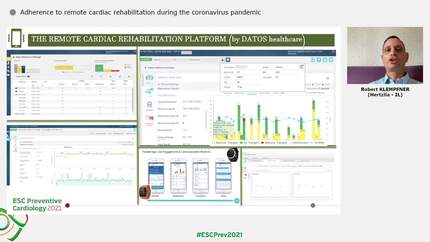
Cardiac rehabilitation is an essential program for the reduction of future cardiac events and improve quality of life. However, many vulnerable individuals do not achieve this desired outcome due to the restrictive nature of institution-based rehabilitation. With this in mind was developed the Remote Cardiac Rehabilitation Program (RCRP). Our aim was to create the optimal conditions so that our patients are guided and stimulated in order to successfully complete the program.
This study involved 306 patients with established CHD who underwent a six-month RCRP, three months of which were subsidized by health insurance. RCRP involves regular exercise, monitored by a smart sports watch and transferred to both the medical operations center as well as the mobile application on the patient’s smartphone. We built models to get predictors for the best patient performance in the last (third) month. Predictions were made based on their performance in the first month and some demographical data. Age and gender were taken as base features to all the models.
The study involved patients, 81.5% men, aged 57.59 (±10.62), who were admitted to the RCRP mainly after myocardial infarction or coronary interventions (49%). The median minutes per week that patients performed aerobic exercise was 164, a median of 92 minutes at target HR (established by exercise physiologist), and the median percent of heart rate reserve was 76 % across exercise training. The median number aerobic sessions per week was 4, while the median daily steps was 8,370. Values had no significant differences across the 24 weeks. Following the 24-weeks of intervention, there was a significant improvement in exercise capacity, assessed by estimated METS using pre and post exercise stress tests from 9.95±2.57 to 11.71±3.43 (p<0.001). The most significant predictors of program adherence were older age and the number of weekly aerobic minutes and sessions in the first weeks of training (p<0.005). There is a direct relationship between the patient's age and the program compliance - the older the patient, the higher the compliance.
Adherence and the performance achieved by patients in the RCRP is well within guideline recommendations, leading to a significant improvement in exercise capacity. Older age, as well as early program adherence were significant factors which led to better program completion.
Table 1
Figure 1
Contributors

A Heller
Author
D Breitner
Author
Y Klemphner
Author
S Yeshayahu
Author
A Nachshon
Author
N Gang
Author
You may be interested in