
Doctor M Rabiul Hosen
University hospital Bonn, Bonn (Germany)
Membership:
ESC Professional Member
Biography
Dr. Rabiul Hosen is a Senior Postdoctoral Researcher in Molecular Cardiology, Heart Centre Bonn, University of Bonn, Germany.
After obtaining a BS in Genetic Engineering and Biotechnology from Bangladesh, he traveled to Germany MS in Biomedical Science from Bonn and Molecular Stem Cell Biology from Bochum, and a Ph.D. from University Frankfurt where he studied noncoding RNAs.
His concurrent research consists of the diverse analysis of noncoding genomes, especially, long noncoding RNA (lncRNA) which has enormous perspective in different pathways. Dr. Hosen exclusively focusing on cardiovascular disease (CVD) to study the underlying molecular mechanisms of pathogenesis in coronary heart diseases (CHDs) and the development of holistic mRNA- and noncoding RNA-based therapeutic approaches for the treatment of multifactorial CVDs. He also working on the development of RNA-based cardiovascular biomarkers via “Liquid Biopsy” and therapies by focusing on different cardiovascular diseases.

Contributor content
Presentation
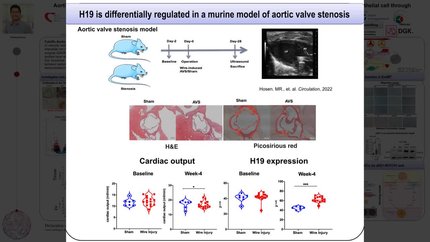
Long noncoding RNA H19 is elevated in aortic valve stenosis and governs angiogenic response and valvular endothelial cell phenotypes through endothelial to mesenchymal transition

Presentation
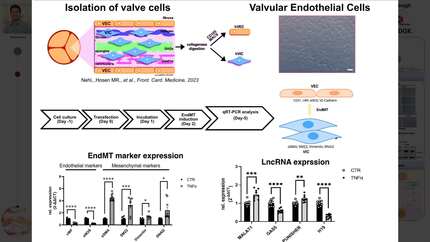
Aortic valve stenosis augments long noncoding RNA H19 to govern angiogenic responses and phenotypes of valvular endothelial cell through endothelial to mesenchymal transition
Presentation
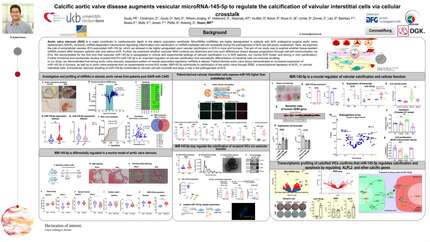
Calcific aortic valve disease augments vesicular microRNA-145-5p to regulate the calcification of valvular interstitial cells via cellular crosstalk
Presentation
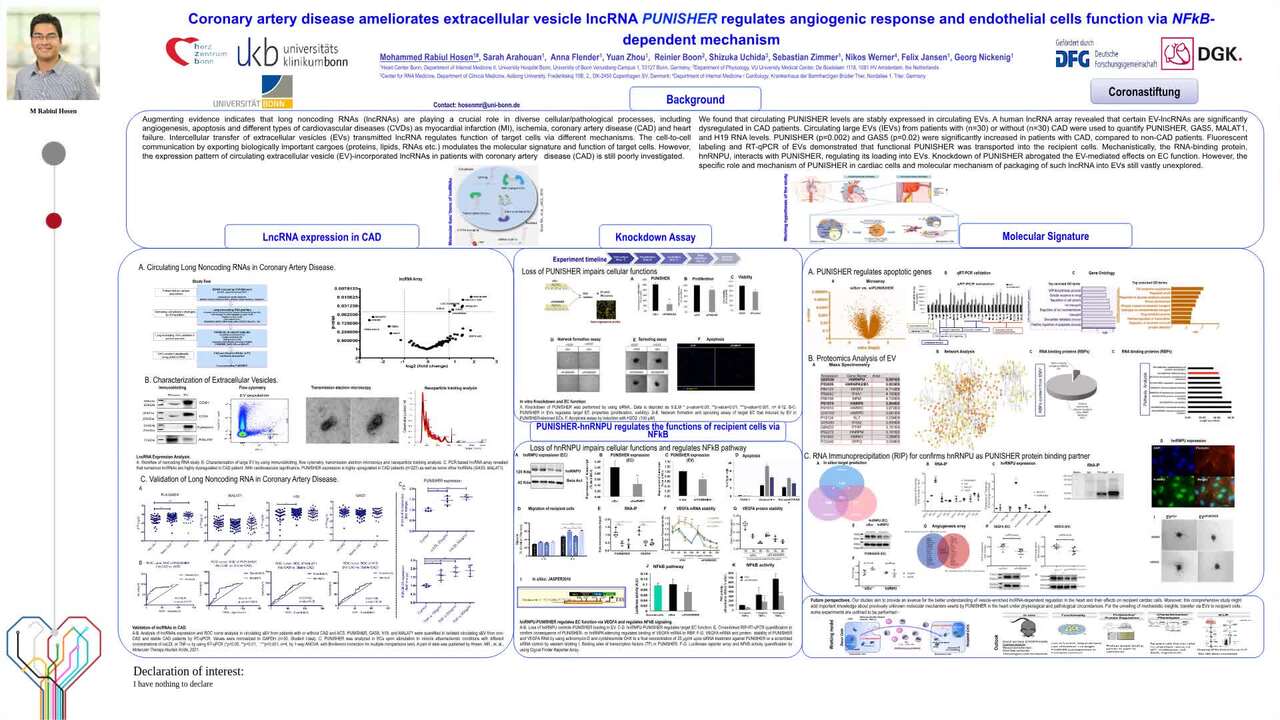
Extracellular vesicle-incorporated long noncoding RNA PUNISHER is increased in coronary artery disease and regulates endothelial cell function

Presentation
Coronary artery disease ameliorates extracellular vesicle lncRNA PUNISHER regulates angiogenic response and endothelial cells function via NFkB-dependent mechanism

Presentation
Aortic valve disease augments vesicular microRNA-145-5p to regulate the calcification of valvular interstitial cells via cellular crosstalk
Presentation
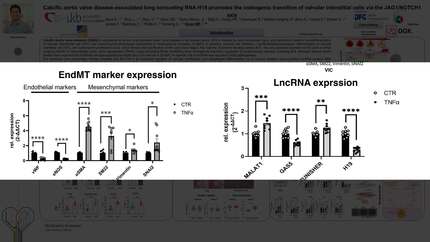
Calcific aortic valve disease-associated long noncoding RNA H19 promotes the osteogenic transition of valvular interstitial cells via the JAG1/NOTCH1 axis
Presentation
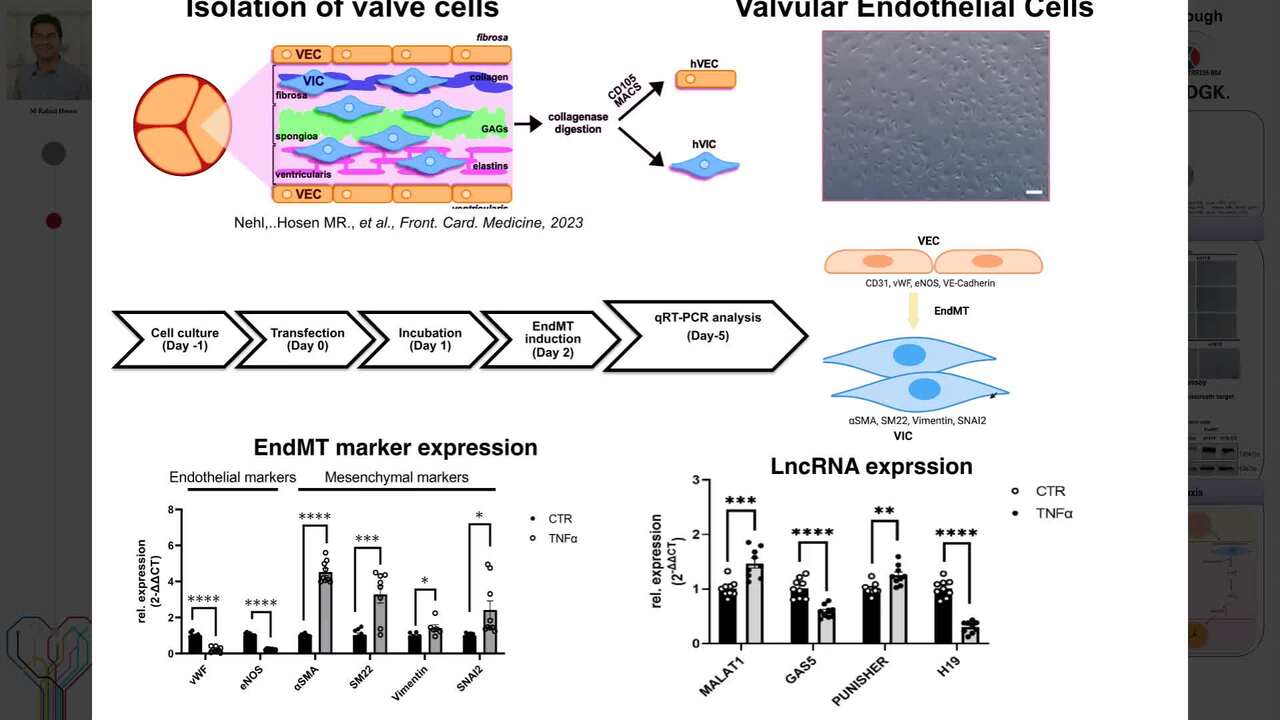
Aortic valve stenosis augments long noncoding RNA H19 to govern angiogenic responses and phenotypes of valvular endothelial cell through endothelial to mesenchymal transition

Presentation
Long noncoding RNA H19 is elevated in aortic valve stenosis and governs antigenic response and valvular endothelial cell phenotypes through endothelial to mesenchymal transition

Presentation

