
Profile picture

Doctor Eisuke Usui

Tsuchiura Kyodo General Hospital, Tsuchiura (Japan)
Follow

Logo ESC

Contributor content

Predictors of optical coherence tomography-defined thin-cap fibroatheroma using near-infrared spectroscopy and intravascular ultrasound

Presentation
Predictors of optical coherence tomography-defined thin-cap fibroatheroma using near-infrared spectroscopy and intravascular ultrasound
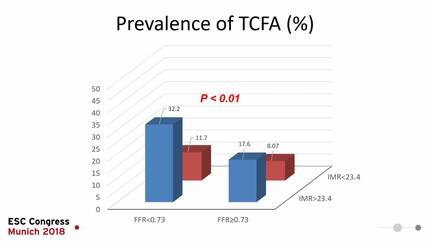
Prevalence of thin-cap fibroatheroma and plaque rupture in relation to functional stenosis severity and microvascular dysfunction
Presentation
Prevalence of thin-cap fibroatheroma and plaque rupture in relation to functional stenosis severity and microvascular dysfunction
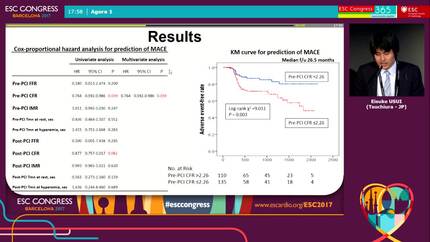
Impact of concordance or discordance between fractional low reserve and coronary flow reserve on coronary physiological indices and microvascular resistance after percutaneous coronary intervention.
Presentation
Impact of concordance or discordance between fractional low reserve and coronary flow reserve on coronary physiological indices and microvascular resistance after percutaneous coronary intervention.
Clinical impact of pre- and poststent optical coherence tomography findings on device-oriented adverse events in patients with acute coronary syndrome
Presentation
Clinical impact of pre- and poststent optical coherence tomography findings on device-oriented adverse events in patients with acute coronary syndrome
Efficacy of adding multislice computed tomography findings to optical coherence tomography-derived minimum lumen area in the assessment of functional significance of intermediate coronary lesions
Presentation
Efficacy of adding multislice computed tomography findings to optical coherence tomography-derived minimum lumen area in the assessment of functional significance of intermediate coronary lesions
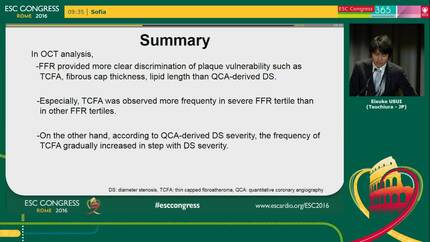
Relevance of optical coherence tomography-derived unstable plaque features and physiological stenosis severity determined by fractional flow reserve
Presentation
Relevance of optical coherence tomography-derived unstable plaque features and physiological stenosis severity determined by fractional flow reserve
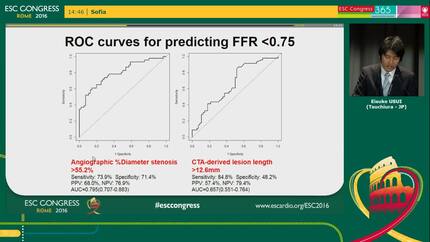
Hybrid approach by the combination of multidetector computed tomography and invasive coronary angiography with fractional flow reserve to identify physiologically significant coronary stenosis
Presentation
Hybrid approach by the combination of multidetector computed tomography and invasive coronary angiography with fractional flow reserve to identify physiologically significant coronary stenosis
Relevance of optical coherence tomography-derived morphological and anatomical features in accordance with hemodynamic significance determined by fractional flow reserve
Presentation
Relevance of optical coherence tomography-derived morphological and anatomical features in accordance with hemodynamic significance determined by fractional flow reserve

ESC 365 is supported by