
Associate Professor Gorav Batra
Uppsala University, Uppsala (Sweden)
Membership:
FESC Member
Biography
Gorav Batra is an Associate Professor of Cardiology at Uppsala University and Uppsala Clinical Research Center, as well as a Consultant Cardiologist at Uppsala University Hospital, Sweden. He is a Fellow of the ESC. Gorav Batra has served as a primary investigator for several international clinical trials in cardiology. He is a member of the steering committee of the RIKS-HIA (SWEDEHEART) registry and a member of the EuroHeart Data Science Group.

Contributor content

Presentation
Temporal trends and clinical predictors of GLP-1 receptor agonist and SGLT2 inhibitor use after myocardial infarction among patients with type 2 diabetes

Presentation
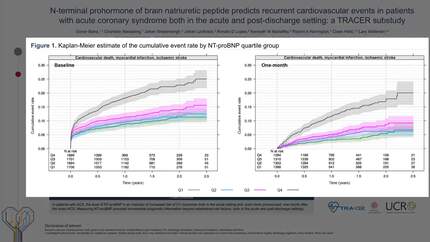
N-terminal prohormone of brain natriuretic peptide predicts recurrent cardiovascular events in patients with acute coronary syndrome both in the acute and post-discharge setting: a TRACER substudy
Presentation
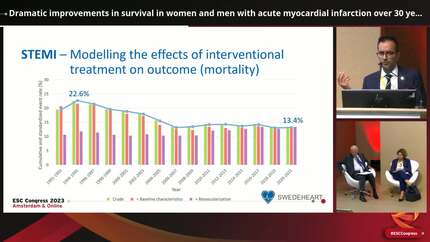
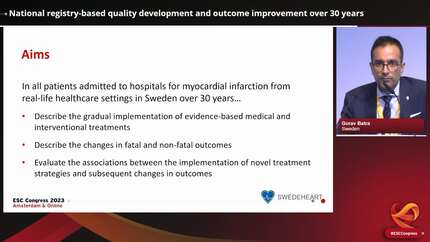
Dramatic improvements in survival in women and men with acute myocardial infarction over 30 years: a nationwide cohort study
Presentation

Presentation
Pre- and postoperative atrial fibrillation in patients undergoing coronary artery surgery is associated with adverse outcome

Presentation

