Profile picture

Doctor Ivica Bojovski

University Clinic of Cardiology, Skopje (North Macedonia)
Follow
Biography
Doctor Ivica Bojovski works at the University Clinic of Cardiology and on Medical faculty in Skopje, Republic of Macedonia. He graduated at the Medical Faculty in 2012, specialized cardiology in 2019, and become PhD in March 2024. From his beginings till today, he is working in the Intensive Cardiac Care Unit at the University Clinic of Cardiology.

Logo ESC

Contributor content

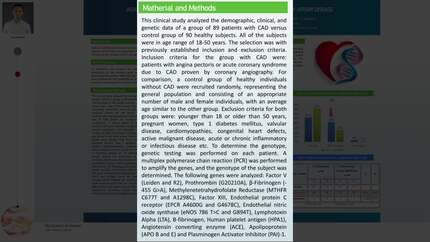
Association of genetic mutations and polymorphisms with coronary artery disease
Presentation
Association of genetic mutations and polymorphisms with coronary artery disease
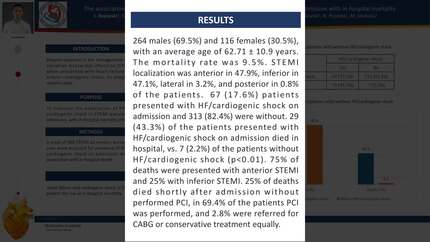
The association between heart failure and cardiogenic shock in STEMI patients on admission with in-hospital mortality
Presentation
The association between heart failure and cardiogenic shock in STEMI patients on admission with in-hospital mortality
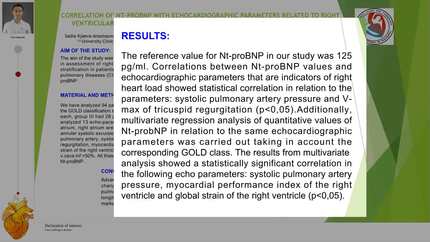
Correlation of Nt-proBNP with echocardiographic parameters related to right ventricular load in patients with chronic obstructive pulmonary disease
Presentation
Correlation of Nt-proBNP with echocardiographic parameters related to right ventricular load in patients with chronic obstructive pulmonary disease
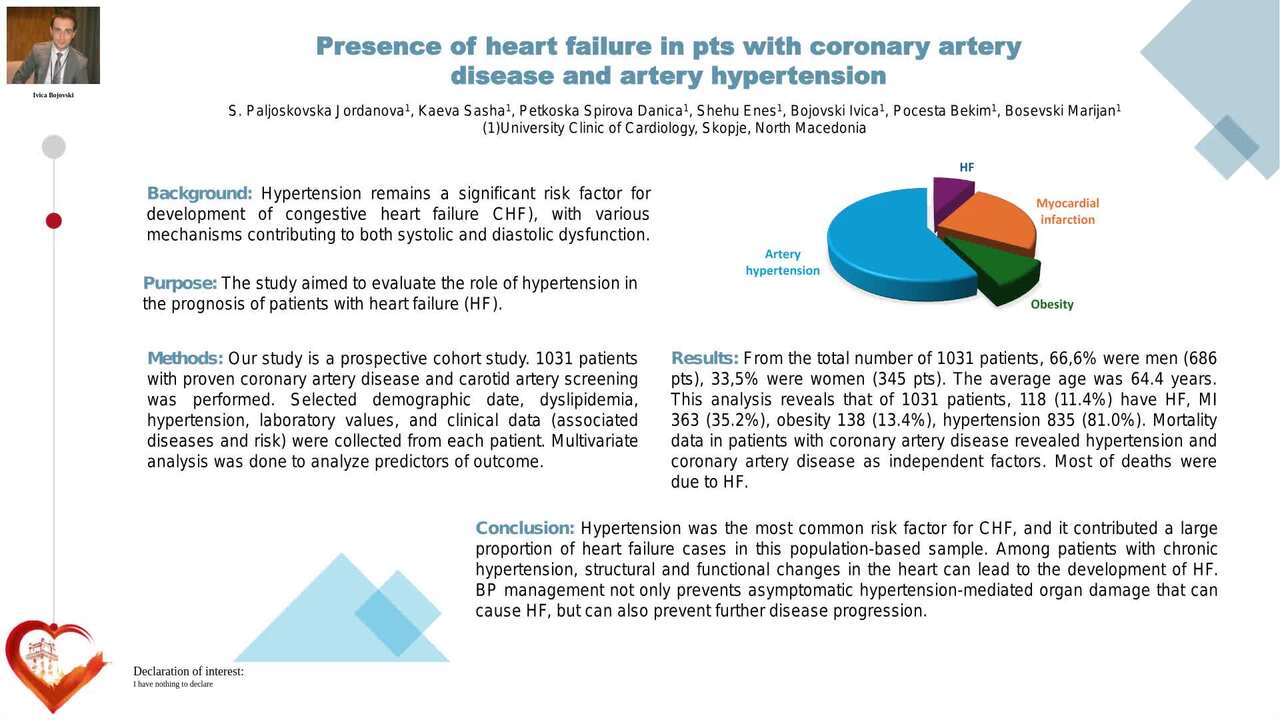
Presence of heart failure in pts with coronary artery disease and artery hypertension
Presentation
Presence of heart failure in pts with coronary artery disease and artery hypertension
Mortality data in coronary artery disease: importance of diabetes mellitus and heart failure
Presentation
Mortality data in coronary artery disease: importance of diabetes mellitus and heart failure
Gender phenotype differences in patients with acute coronary syndrome
Presentation
Gender phenotype differences in patients with acute coronary syndrome
Hypokalemia-induced malignant arrhythmia in patient mimicking guillain-barre syndrome
Presentation
Hypokalemia-induced malignant arrhythmia in patient mimicking guillain-barre syndrome
Can we still identify new predictors of in-hospital mortality in patients treated for acute coronary syndrome?
Presentation
Can we still identify new predictors of in-hospital mortality in patients treated for acute coronary syndrome?

ESC 365 is supported by