Profile picture

Doctor Jakub Stepniewski

Jagiellonian University, Krakow (Poland)
Membership: ESC Professional Member
Follow
Logo ESC

Contributor content

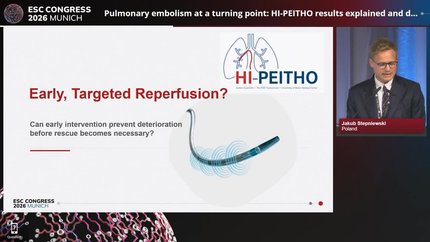
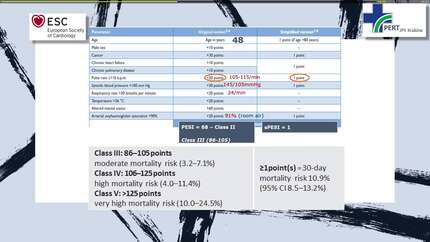
Selecting the right patient at the right time: predictors and early decision-making in acute pulmonary embolism
Presentation
Selecting the right patient at the right time: predictors and early decision-making in acute pulmonary embolism
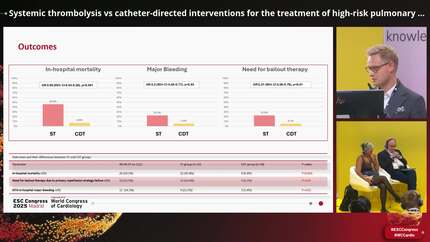
Systemic thrombolysis vs catheter-directed interventions for the treatment of high-risk pulmonary embolism. A comparative analysis of early outcomes and complications

Presentation
Systemic thrombolysis vs catheter-directed interventions for the treatment of high-risk pulmonary embolism. A comparative analysis of early outcomes and complications
The multidisciplinary team (MDT) approach: elevating PE management
Presentation
The multidisciplinary team (MDT) approach: elevating PE management
Achieving immediate impact: treating acute PE with strong evidence for large-bore thrombectomy
Presentation
Achieving immediate impact: treating acute PE with strong evidence for large-bore thrombectomy
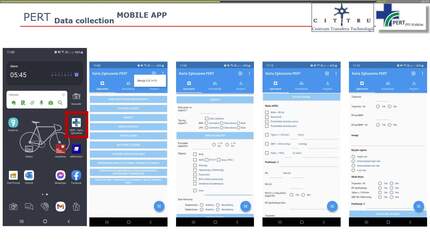
Country PERT best practice sharing and proven protocols
Presentation
Country PERT best practice sharing and proven protocols
Achieving immediate impact: treating acute PE with strong evidence for large-bore thrombectomy
Presentation
Achieving immediate impact: treating acute PE with strong evidence for large-bore thrombectomy
The multidisciplinary team (MDT) approach: elevating PE management
Presentation
The multidisciplinary team (MDT) approach: elevating PE management
Hemodynamic effects of balloon pulmonary angioplasty for the treatment of total and subtotal pulmonary artery occlusions in inoperable chronic thromboembolic pulmonary hypertension.
Presentation
Hemodynamic effects of balloon pulmonary angioplasty for the treatment of total and subtotal pulmonary artery occlusions in inoperable chronic thromboembolic pulmonary hypertension.
Ischemic etiology predicts exercise dyssynchrony in patients with heart failure with reduced ejection fraction.
Presentation
Ischemic etiology predicts exercise dyssynchrony in patients with heart failure with reduced ejection fraction.
Prolonged atrioventricular conduction predicts exercise capacity in patients with chronic heart failure with reduced ejection fraction and coexisting intraventricular conduction disturbances
Presentation
Prolonged atrioventricular conduction predicts exercise capacity in patients with chronic heart failure with reduced ejection fraction and coexisting intraventricular conduction disturbances

ESC 365 is supported by