
Doctor Yiyuan Huang
The Second Xiangya Hospital of Central South University, Changsha (China)
Membership:
ESC Professional Member
Follow
Biography
Dr. Huang focused on studying the mechanism and treatment of HCM and Valvular Heart Disease since 2016. He and coleagues found a Novel drug targeting cardiomyocytes which directly inhibit myofilament contraction might prevent HCM disease phenotypic expression and progression, and developed a novel device to relieve the left ventricular outflow tract (LVOT) obstruction in patients with HCM.

Contributor content
Presentation
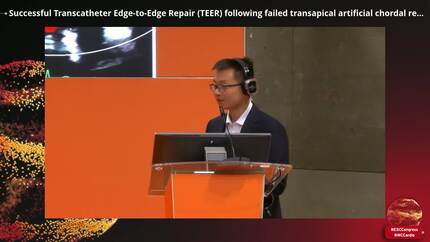
Successful Transcatheter Edge-to-Edge Repair (TEER) following failed transapical artificial chordal repair for primary mitral regurgitation

Presentation
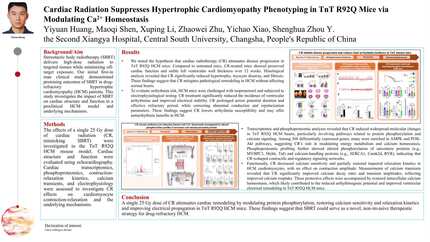
Cardiac radiation suppresses hypertrophic cardiomyopathy phenotyping in TnT R92Q HCM mice via modulating Ca2+ homeostasis
Presentation
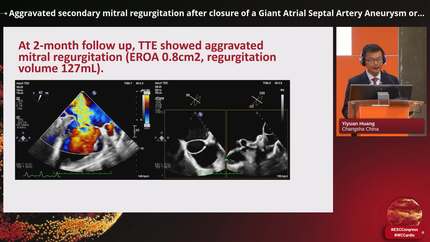
Aggravated secondary mitral regurgitation after closure of a Giant Atrial Septal Artery Aneurysm originating from the left main coronary artery.
Presentation
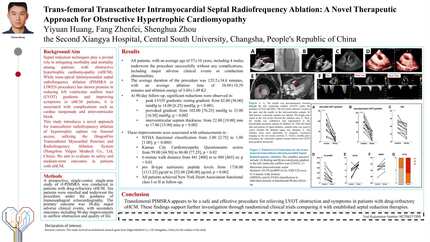
Trans-femoral transcatheter intramyocardial septal radiofrequency ablation: a novel therapeutic approach for obstructive hypertrophic cardiomyopathy
Presentation

